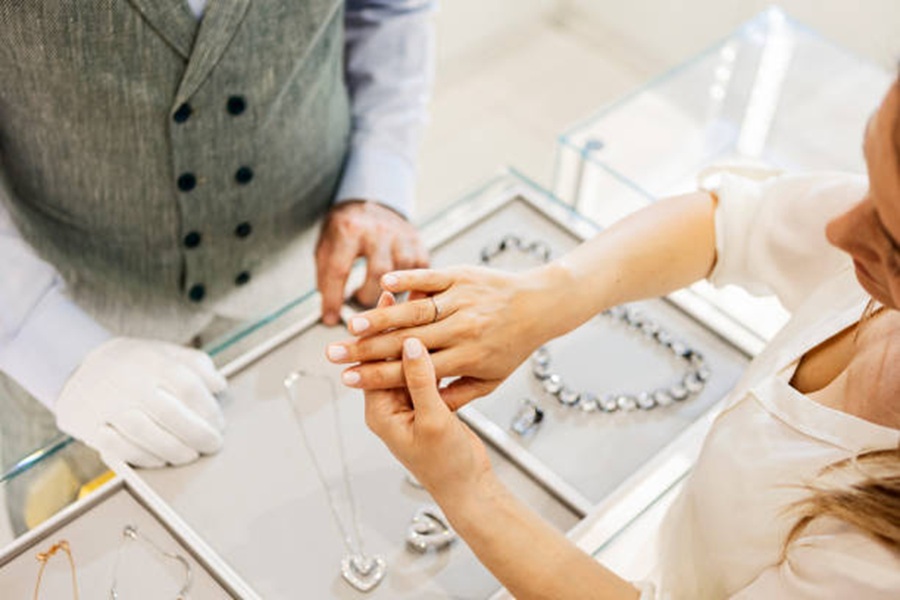
Selecting the perfect engagement ring involves more than just choosing a beautiful design. To ensure the ring enhances your partner’s unique hand and finger shape, consider a variety of factors, including proportions, style preferences, and comfort. Here’s a guide to help you make an informed decision.
Consider Finger Length and Shape
- Long fingers can accommodate a wide range of styles. Bold statement rings or intricate designs often look stunning.
- Oval, emerald, or marquise-shaped diamonds elongate the finger even more for an elegant appearance.
-
Wider bands help balance the natural slimness of long fingers.
- Rings that create an illusion of length are ideal for short fingers. Opt for vertical diamond shapes like pear or marquise cuts.
- Bands that are narrower can make shorter fingers appear more elongated.
-
Avoid overly bulky designs that may overpower smaller hands.
- Wider fingers benefit from larger stones and creative settings that visually balance proportions without emphasizing width too much.
- Cluster settings or asymmetrical designs often work well for achieving this balance.
- Avoid narrow bands—these can make wide fingers appear broader by comparison.
Match Ring Design to Hand Size
The overall size of the hand is another critical factor to consider when selecting an engagement ring.
- Small Hands: Petite hands tend to look best with smaller stones and delicate settings that don’t dominate their proportions. Look for dainty solitaire rings or minimalistic halo styles.
- Larger Hands: Statement pieces with bold settings may suit larger hands better by offering visual balance without appearing disproportionate.
Stone Shape Versus Hand Features
Understanding how different diamond shapes interact with hand features will guide you toward making the right choice.
| Diamond Shape | Best Suited For | Not Ideal For |
|---|---|---|
| Round | Universally flattering | Rarely unsuitable |
| Oval | Slimming effect on short/wide fingers | Those preferring symmetry |
| Princess | Modern appeal; suits most hand types | Traditional preferences |
| Pear | Lengthens appearance of shorter fingers | May feel unconventional |
| Emerald | Elegant and slimming | Broad knuckles |
Focus on Practicality
Ensure the design complements your partner’s lifestyle: – If they use their hands frequently for work (e.g., healthcare professionals), opt for low-profile settings such as bezel or channel. – Active lifestyles might require durable metals like platinum or palladium over softer options like gold.
Personal Style Preferences Matter
Lastly, observe your partner’s existing jewelry collection to understand their tastes: 1. Are they drawn to vintage-inspired designs, modern simplicity, or ornate detailing? 2. Do they prefer certain metals (yellow gold vs white gold) over others? 3. Would they appreciate bold colors from gemstones other than diamonds?
By carefully evaluating these elements against their hand type and lifestyle needs, you’ll be able to choose a meaningful engagement ring that balances beauty with function while perfectly suiting your partner’s unique characteristics.
The Importance of Diamond Cut: Maximizing Sparkle and Brilliance
When selecting a diamond for an engagement ring or fine jewelry, the cut is one of the most critical factors. While many focus on carat weight, color, or clarity, it is the cut that has the most significant impact on a diamond’s overall brilliance and sparkle. Understanding the importance of diamond cut can help you make a more informed decision.
What Is Diamond Cut?
The cut of a diamond refers to how well the stone has been shaped and faceted by a skilled craftsman. It determines how light enters and reflects within the diamond, creating its signature sparkle. A well-cut diamond enhances brightness (white light return), fire (colorful flashes), and scintillation (the pattern of light and dark areas when moved).
- Proportions: The relationship between different parts of the diamond, such as depth, table size, and angles.
- Symmetry: The alignment of facets in relation to each other.
- Polish: The smoothness of each facet’s surface.
Grades of Diamond Cut
| Grade | Description |
|---|---|
| Excellent | Maximum brilliance with well-balanced proportions and precise craftsmanship. |
| Very Good | High-quality cut with minor imperfections that do not impact light performance significantly. |
| Good | Adequate brilliance but may have noticeable design flaws affecting sparkle. |
| Fair | Limited brilliance due to imbalanced proportions or poor symmetry/polish. |
| Poor | Minimal sparkle due to significant flaws in shape or craftsmanship. |
Choosing “Excellent” or “Very Good” grades will ensure your diamond radiates maximum beauty.
Why Does Cut Matter More Than Carat?
- A 1-carat ideal-cut round brilliant will outshine a poorly cut 2-carat stone.
- Well-cut diamonds optimize light reflection even in smaller settings.
Tips for Maximizing Sparkle Through Cut
-
Opt for Round Brilliant Cuts
Among all shapes, round brilliant cuts are designed for optimal light return and unparalleled sparkle. -
Consider Fancy Shapes Carefully
Non-round shapes like princess, cushion, or oval can still offer stunning brilliance but require careful attention to their proportions. -
Choose Certified Stones
Always purchase diamonds graded by reputable organizations such as GIA or AGS (American Gem Society) to ensure accurate assessment of cut quality. -
Review Light Performance Reports
Look for advanced reports like ASET or Ideal-Scope images to visualize how well your chosen stone handles light reflection.
Final Thoughts on Choosing Diamond Cuts
The right diamond cut enhances not only its beauty but also its value over time. Prioritize cuts over other attributes such as carat size when setting your budget—this ensures you’re investing in timeless elegance rather than just weight alone. By focusing on craftsmanship and certification, you’ll select a piece that exudes both brilliance and sophistication for years to come.
Find the Best Ring Styles for Your Hands at Jewelers in Orange County CA
Selecting the right engagement ring style is more than just looking for something beautiful—it’s about finding a design that harmonizes with your partner’s unique hand and finger shape. The right ring can highlight their best features while ensuring comfort and wearability. Here’s how to choose ring styles that perfectly complement different hand and finger shapes.
Understanding Hand and Finger Characteristics
- Finger length: Are their fingers short, long, or medium in length?
- Finger width: Do they have slim fingers, wide fingers, or an average width?
- Overall hand size: Consider whether their hands are petite, broad, or proportionate.
Each of these factors plays an important role in determining which styles will look most flattering.
Best Ring Styles for Short Fingers
- Slim Bands: Narrow bands elongate the appearance of shorter fingers. Avoid overly thick bands that may make the fingers appear even shorter.
- Oval or Pear-Shaped Diamonds: These shapes create vertical lines that visually extend finger length.
- Marquise Cuts: The elongated shape of marquise stones enhances the illusion of longer fingers.
Avoid overly large stones or settings that can overwhelm smaller hands.
Ideal Ring Styles for Long Fingers
- Wide Bands: Broader bands add balance by making long fingers look proportionate.
- Round or Cushion-Cut Diamonds: These classic shapes add softness and elegance to longer hands.
- Statement Designs: Intricate detailing like halos or vintage-inspired rings is perfect for showcasing long fingers.
Be cautious with excessively slim designs as they may accentuate length unnecessarily.
Rings for Wide Fingers
- Larger Stones and Settings: Opt for bold center stones (like round or emerald cuts) that fill up more space on wide fingers.
- Cluster Settings: Multiple smaller diamonds create a balanced appearance while adding sparkle.
- Medium to Thick Bands: A moderately thick band ensures the design doesn’t appear too dainty against wider dimensions.
Avoid narrow rings or small solitaire stones which might seem lost on broader hands.
Petite Hands Deserve Delicate Designs
- Dainty Bands: Thin bands don’t overpower petite proportions.
- Small Round Diamonds: Modestly sized diamonds maintain elegance without appearing oversized.
- Simple Solitaire Settings: A minimalist solitaire is timeless and proportionate against smaller hands.
Steer clear of bulky settings as they might overshadow petite features.
Quick Reference Table: Matching Rings to Hand & Finger Shapes
| Finger/Hand Shape | Recommended Ring Styles | Avoid |
|---|---|---|
| Short Fingers | Slim bands, oval/pear/marquise diamonds | Thick bands, overly large settings |
| Long Fingers | Wide bands, round/cushion cuts, statement designs | Very slim designs |
| Wide Fingers | Larger stones/settings, cluster designs | Narrow rings |
| Petite Hands | Dainty bands, small round diamonds | Bulky settings |
By understanding how different styles interact with specific finger shapes and hand sizes, you can select an engagement ring that enhances natural beauty while reflecting personal taste.
Ring Styles That Complement Different Hand and Finger Shapes
Selecting the perfect engagement ring isn’t just about finding a beautiful design—it’s also about ensuring it complements your partner’s hand and finger shape. From slim, elongated fingers to wider hands, the right ring style can enhance natural features and create a harmonious balance. Below, we’ll explore how to match ring styles to different hand and finger shapes.
Identifying Hand and Finger Features
When choosing an engagement ring, consider these physical characteristics:
– Finger Length: Short, average, or long fingers influence which shapes and styles look proportional.
– Finger Width: Slim or wide fingers can determine how a ring fits visually.
– Hand Size: Petite or larger hands may require different proportions for balance.
Understanding these features helps guide your choice.
1. Slim Fingers
For slim fingers, dainty designs work best as they complement their elegant appearance without overwhelming them.
– Recommended Styles:
– Solitaire rings with delicate bands.
– Pave-set bands for added sparkle without bulk.
– Oval or marquise-shaped stones to elongate the finger subtly. – Avoid: Rings with broad or overly wide bands that might make fingers appear thinner than they are.
2. Short Fingers
The goal for shorter fingers is to create the illusion of length. Certain styles can visually elongate the hand while maintaining proportion. – Recommended Styles:
– Pear-shaped diamonds pointing toward the tip of the finger.
– Narrow bands that don’t overpower smaller hands. – Vertical settings like emerald cuts. – Avoid: Wide bands or large clusters that can shorten the appearance of fingers.
3. Wide Fingers
Rings for wide fingers should aim to create a balanced look by drawing attention toward the center of the hand while minimizing visual width. – Recommended Styles:
– Larger center stones like round or cushion cuts that provide proportioned coverage.
– Three-stone settings to fill space across wider hands attractively. – Thick bands with smaller accent diamonds for symmetry. – Avoid: Thin bands or overly dainty designs as they may get “lost” on wider hands.
4. Long Fingers
Long fingers are versatile when it comes to ring styles but benefit most from designs that highlight their proportions without exaggerating length. – Recommended Styles: – Bold statement rings with intricate details like halo settings. – Wider bands for visual interest. – Round diamonds or vintage-inspired designs for elegance. – Avoid: Extremely narrow bands that may look disproportionate against longer hands.
Additional Considerations by Hand Size
| Hand Size | Best Ring Characteristics | Avoid |
|---|---|---|
| Petite Hands | Smaller stones (0.5–1 carat), delicate pave accents, thin shank designs | Large stones (e.g., over 2 carats) or bulky settings that overpower small frames |
| Larger Hands | Chunkier band styles, bold geometric cuts like emeralds or asschers | Very dainty rings that may appear undersized relative to larger proportions |
Customization Can Make All The Difference
A customized engagement ring allows you to tailor every detail—stone size, band width, metal type—to perfectly suit your partner’s unique characteristics. Whether it’s adjusting a prong setting to create an illusion of longer fingers or choosing a mixed-metal band for contrast on wider hands, customization ensures every element works together seamlessly.
By considering both aesthetics and functionality when selecting an engagement ring style tailored for specific finger shapes and sizes, you’ll ensure your choice feels personalized in every way possible—an essential factor in making this meaningful piece even more special.
How to Select Engagement Rings That Match Personal Lifestyle and Style Preferences
Selecting the perfect engagement ring goes beyond choosing a beautiful design. It requires careful consideration of your partner’s lifestyle, daily activities, and personal style. A thoughtful choice ensures that the ring resonates with the wearer’s personality and remains practical for everyday use.
Factors to Consider for Lifestyle Compatibility
- Activity Level: If your partner leads an active lifestyle—whether through sports, outdoor activities, or work that involves using their hands—consider a more durable setting like a bezel or tension setting. These offer better protection for the gemstone.
- Daily Wearability: For partners who wear gloves or frequently handle delicate materials, opt for low-profile designs that won’t snag easily. Avoid rings with high-set prongs or intricate details that can make everyday tasks cumbersome.
- Occupation: Those working in professions like healthcare, where hand hygiene is frequent, may prefer simpler designs with fewer crevices where dirt can accumulate.
Matching the Ring to Personal Style
- Minimalist: Look for sleek bands with solitaire diamonds or understated designs featuring small accent stones.
- Vintage Enthusiast: Consider rings with intricate engraving, filigree details, or antique-inspired cuts such as cushion or marquise shapes.
- Modern Flair: Choose contemporary settings such as tension mounts or asymmetrical designs paired with diamonds in non-traditional shapes like hexagonal cuts.
- Glamorous: A halo design or pavé band adds extra sparkle while maintaining elegance.
| Style Preference | Recommended Design Features |
|---|---|
| Minimalist | Solitaire settings, thin bands |
| Vintage Enthusiast | Milgrain edges, heirloom-inspired patterns |
| Modern Flair | Unique diamond shapes, clean geometric lines |
| Glamorous | Halo settings, pavé diamond accents |
Metal Choices Aligned With Lifestyle
- Gold (Yellow/White/Rose): Gold is versatile and available in various hues to match personal taste.
- Yellow gold offers a classic look.
- White gold provides a modern appeal but may require occasional rhodium plating.
-
Rose gold gives a romantic tone and pairs well with vintage designs.
-
Platinum: Perfect for active individuals due to its scratch-resistant nature and hypoallergenic qualities.
-
Palladium: A more lightweight alternative to platinum offering similar durability without requiring as much maintenance.
Customization Options
To make the ring even more special: – Add engraved initials or meaningful dates inside the band. – Opt for gemstone accents featuring their favorite color (e.g., sapphires or emeralds). – Select an ethically sourced stone if sustainability aligns with their values.
By tailoring each element of the engagement ring to your partner’s lifestyle and personal style preferences, you’ll create a meaningful piece that they’ll cherish every day.
Expert Tips for Choosing Dainty Ring Styles When Shopping for Jewelry in Orange County CA
When selecting an engagement ring for slim fingers, it’s essential to consider designs that enhance the natural elegance of slender hands without overpowering them. Dainty ring styles are an excellent option as they maintain a balanced and proportional look. Below are expert tips and design ideas to help you choose the perfect ring.
Focus on Proportionate Band Widths
- Thin Bands (1-2mm): These enhance the elegance of slender hands while allowing the center stone to stand out.
- Tapered Designs: Choose bands that taper toward the center stone for a more refined and balanced appearance.
| Band Width | Recommended for Slim Fingers? | Design Features |
|---|---|---|
| 1mm – 2mm | Yes | Delicate and proportional |
| 3mm – 4mm | Maybe | Works if paired with subtle styles |
| Over 4mm | No | May appear bulky on slim fingers |
Highlight Graceful Stone Shapes
- Round-Cut Diamonds: A timeless classic, perfectly proportioned for dainty rings.
- Oval or Marquise Cuts: These shapes elongate the finger, creating an elegant silhouette.
- Pear-Shaped Stones: Adds sophistication while appearing delicate on smaller settings.
Avoid overly large or square stones, as they can overwhelm slim fingers and disrupt balance.
Minimalist Settings Speak Volumes
- Prong Setting: A clean design that elevates the stone subtly.
- Bezel Setting: Provides security while maintaining a sleek and modern aesthetic.
- Pavé Bands: Add sparkle without overwhelming slender hands.
Avoid Oversized or Chunky Designs
- Wide, thick bands
- Large halo settings
- Bold or intricate vintage-inspired details
By keeping these aspects minimal, you ensure a graceful overall look.
Customization Options for Added Elegance
- Adding subtle engraving along the inside or outside of the band.
- Incorporating petite accent stones in complementary patterns.
- Selecting unique metal tones such as rose gold or platinum for added sophistication.
Conclusion
Choosing a dainty engagement ring style requires careful attention to proportions, stone shapes, and overall design simplicity to match slim fingers gracefully. By focusing on minimalist details and avoiding overpowering elements, you ensure an elegant piece that feels custom-made for your partner’s hand—perfectly capturing their individuality with timeless appeal.
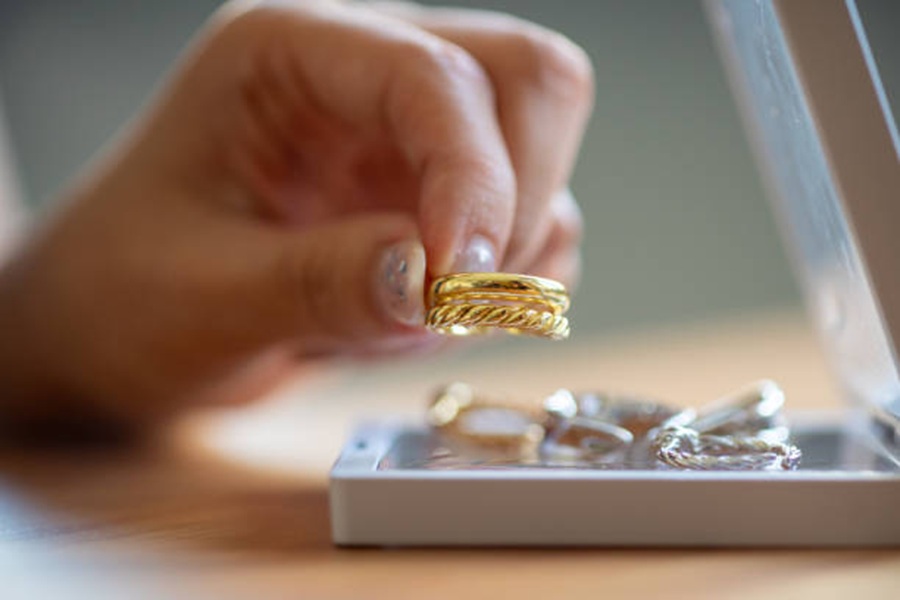
Discover the Best Jewelry Stores in Orange County CA for Perfect Engagement Rings
Choosing an engagement ring that flatters short and wide fingers requires careful consideration of design, size, and proportions. The goal is to create the illusion of elongation while ensuring the ring feels proportionate on your partner’s hand. Below, we explore key factors to consider, popular styles, and expert tips for finding a ring that offers the perfect balance.
Factors to Consider for Visual Balance
- Proportions: Opt for rings with a balanced design that doesn’t overwhelm the finger.
- Elongating Shapes: Certain diamond shapes can make fingers appear longer and slimmer.
- Band Width: Avoid overly thick bands; thinner or tapered bands work best.
- Setting Style: An elevated or vertical setting can add height and elegance.
Best Diamond Shapes for Short and Wide Fingers
- Sleek and elongated shape visually lengthens the finger.
-
Popular choice for its elegant yet modern appearance.
- Tapered ends help extend the finger’s look.
-
Adds a vintage-inspired touch to the ring design.
- The teardrop shape naturally draws attention upward.
-
A versatile option suitable for various styles.
- The rectangular facets enhance fingers’ perceived length while offering sophistication.
| Diamond Shape | Key Benefit | Design Versatility |
|---|---|---|
| Oval-Cut | Lengthens fingers elegantly | Works with minimalist or ornate settings |
| Marquise-Cut | Creates visual elongation | Great for classic or vintage rings |
| Pear-Cut | Draws attention upward | Can be paired with halos or simple designs |
| Emerald-Cut | Slims appearance of fingers | Ideal for timeless aesthetics |
Recommended Ring Styles
- Halo Settings: A halo of smaller diamonds around a center stone adds brilliance without overwhelming the hand.
- Split Shank Bands: These bands divide into multiple strands near the center stone, creating an airy look that balances proportions.
- Tapered Bands: Narrower at the bottom of the shank, these draw focus toward the diamond while slimming the finger’s profile.
- Bezel Settings: Surrounding a stone with metal enhances its security while offering clean lines that work well on wider hands.
Practical Tips for Selecting Rings
- Try several designs in-person to see how they sit on your partner’s hand under different lighting.
- Avoid overly chunky designs as they may draw unwanted attention to finger width.
- Consider colored gemstones like sapphires or rubies if traditional diamonds don’t suit your partner’s preferences.
By focusing on proportionate designs, elongating details, and complementary settings, you’ll find an engagement ring that not only suits shorter, wider fingers but also reflects your partner’s unique personality and style preferences.
Be Inspired by Stunning Designer Engagement Ring Collections
Designer engagement rings epitomize elegance, creativity, and craftsmanship. Choosing a ring from a designer collection often means selecting a piece that combines timeless beauty with modern artistry, resulting in a truly unique symbol of love. In this section, we’ll explore what makes designer engagement rings special, highlight some popular design trends, and provide insights into selecting the perfect designer ring.
What Makes Designer Engagement Rings Unique?
- Custom Designs: Many designer collections feature custom or limited-edition designs, ensuring your ring is one-of-a-kind.
- Artisanal Craftsmanship: Designers often employ master jewelers who use advanced techniques to create intricate details.
- Premium Materials: High-quality metals such as platinum or 18k gold and ethically sourced gemstones are standard in these collections.
- Innovative Styles: Designer pieces often blend traditional elements with modern aesthetics for standout appeal.
Popular Trends in Designer Engagement Rings
- Details like filigree patterns, milgrain edges, and intricate engravings evoke the timeless charm of bygone eras.
-
Perfect for those who appreciate classic elegance with a touch of nostalgia.
- A central gemstone surrounded by smaller diamonds creates an eye-catching sparkle.
-
This style adds extra brilliance while making the center stone appear larger.
- Floral motifs, leaf patterns, and organic shapes bring a whimsical yet sophisticated touch to engagement rings.
-
Ideal for individuals drawn to nature or seeking something unconventional.
- Rings that combine metals like rose gold with white gold or platinum add depth and dimension.
-
These designs cater to individuals who enjoy mixing traditional with contemporary elements.
- Sapphire, emerald, or ruby accents provide vibrant alternatives to diamonds while personalizing the design.
- Colored stones can carry symbolic meaning tied to emotions or milestones.
How to Choose the Right Designer Collection
-
Explore Renowned Designers: Research jewelry designers known for their craftsmanship and aesthetic preferences (e.g., Harry Winston for classic luxury or Tacori for romantic details).
- Opt for minimalist designs if your partner prefers understated elegance.
-
Choose bold statement pieces if they enjoy standing out from the crowd.
-
Set Your Budget Early: Designer rings can vary widely in price depending on materials and rarity. Establishing your budget upfront ensures you find something meaningful without overspending.
| Feature | Benefit |
|---|---|
| Customization | Tailored designs allow personal touches like engraving initials |
| Artisanal Quality | Expertly crafted pieces last generations |
| Exclusivity | Limited editions ensure your ring is rare |
| Ethical Sourcing | Designers prioritize conflict-free gemstones |
Why Consider Designer Engagement Rings?
Choosing an engagement ring from a designer collection offers more than aesthetic beauty—it reflects personality, commitment to quality craftsmanship, and thoughtful selection. With endless styles available across various collections, you’re sure to find one that resonates deeply with your partner’s tastes while symbolizing your love story elegantly.
- Discover Timeless Elegance at Jewelry Stores in Orange County CA
- How to Choose the Perfect Engagement Ring: A Guide for Men from Jewelers in Orange County CA
- How to Choose the Perfect Engagement Ring from Jewelry Stores in Orange County CA
- Top Places to Find Engagement Rings in Orange County CA: Expert Picks for 2026
- How to Choose the Perfect Engagement Rings in Orange County CA for Your Partner’s Hand
- Discover Why Jewelers in Orange County CA Are the Ultimate Destination for Luxury Shopping
- Finding the Perfect Engagement Ring Together: A Guide to Jewelry in Orange County CA
- A Complete Guide to Buying Jewelry in Orange County CA and Making the Right Choice
- Finding the Perfect Engagement Ring at Jewelry Stores in Orange County CA Without Spoiling the Surprise